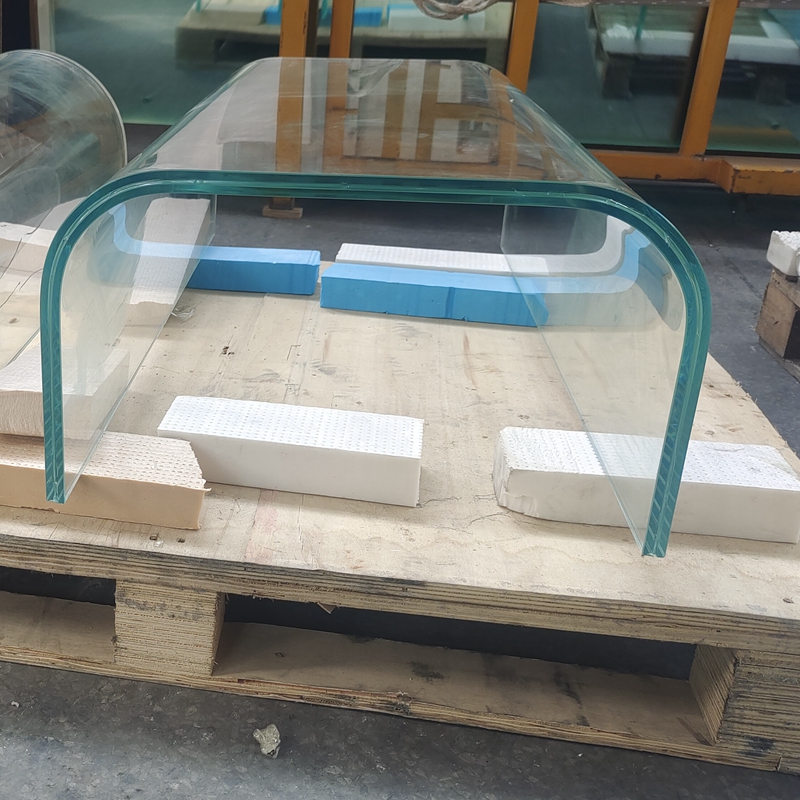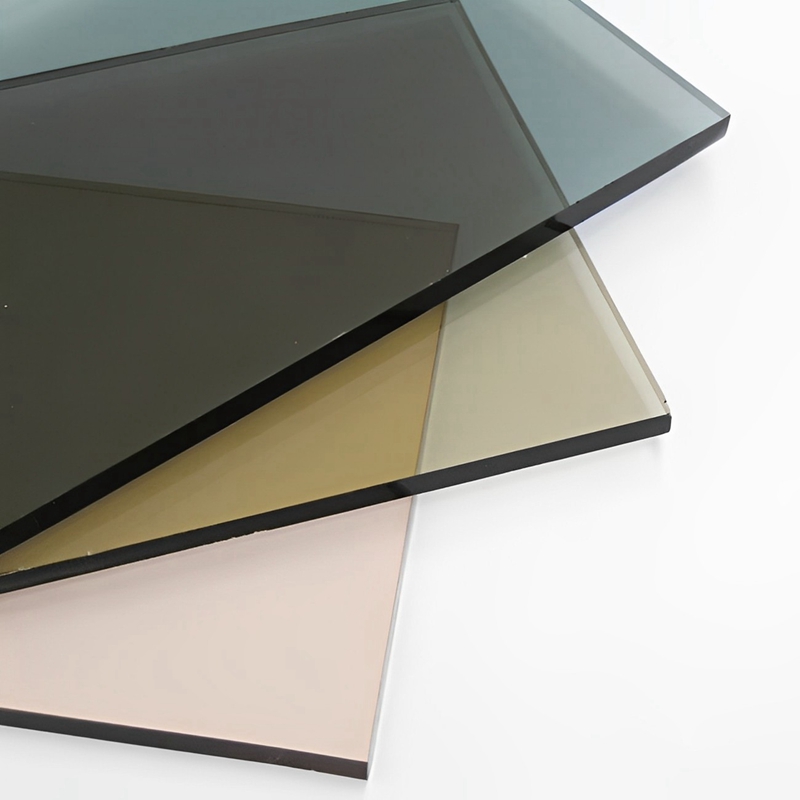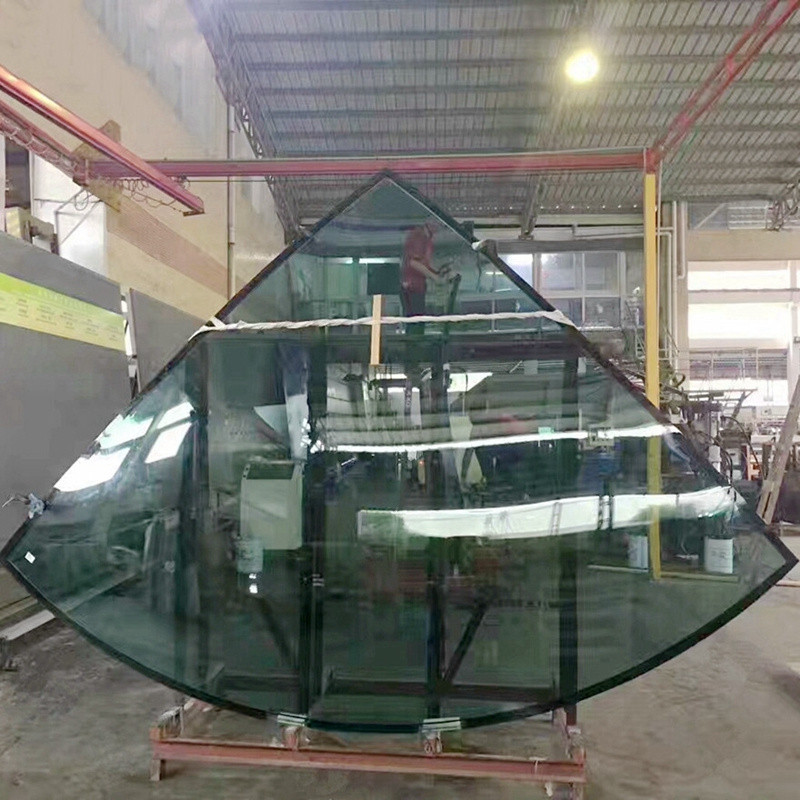
· Curtain walls often rely on tempered insulated glass units (IGUs) to minimize air-to-air heat transfer, as the layered design with sealed spacers and inert gas fillings (argon/krypton) significantly enhances thermal performance. · Curved tempered insulated glass combines heatproof and soundproof properties with aesthetic curvature, making it ideal for modern architecture. · Available in diverse colors, Curved tempered Insulated Glass enhances both visual appeal and thermal performance in curtain wall designs. · Lightweight tempered insulated glass solutions reduce building weight while maintaining safety standards in curved curtain wall applications.
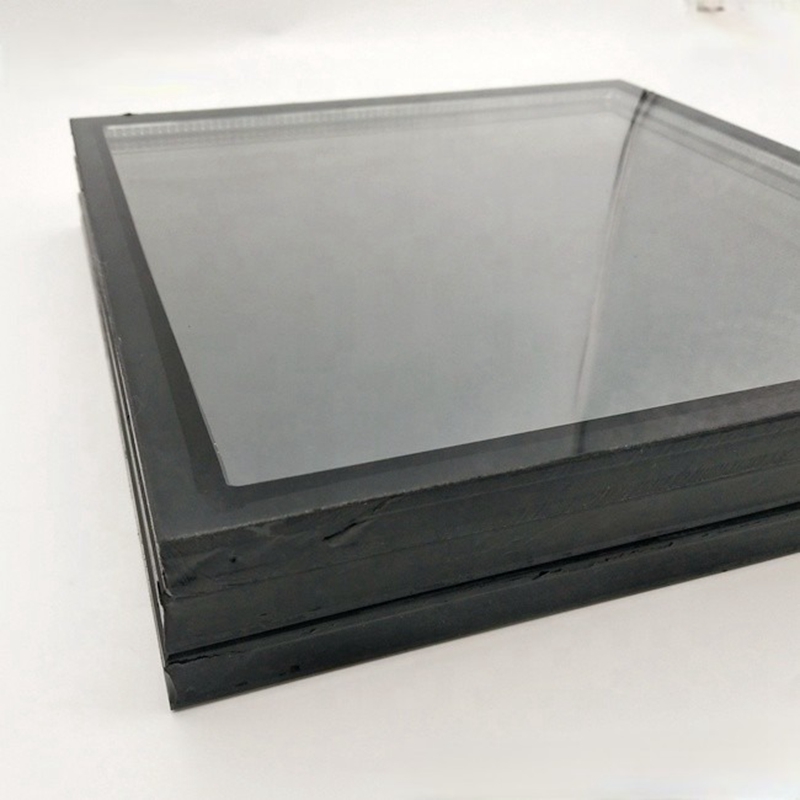
Advantages of Triple Glazed Glass Units for Glass Facade and Curtain Wall Systems 1.Superior Thermal Performance Triple glazed glass units achieve U-values as low as 0.6 W/m²K - 40% more efficient than standard double glazing glass Ideal for high-performance glass facade and curtain wall applications in extreme climates 2.Advanced Acoustic Insulation Triple glazed glass units reduce noise transmission by 45+ dB, outperforming double glazing glass by 50% Perfect for urban glass facade and curtain wall projects near airports or busy streets 3.Enhanced Structural Integrity Triple glazed glass units withstand wind loads up to 5000Pa, exceeding double glazing glass capabilities The robust construction ensures long-term durability for tall glass facade and curtain wall installations 4.Condensation Resistance Triple glazed glass units maintain interior surface temperatures 10°C warmer than double glazing glass Critical for maintaining clear views in humid environments through glass facade and curtain wall systems 5.Design Flexibility Triple glazed glass units accommodate thicker glass configurations (up to 12mm per pane) vs. double glazing glass Enable slimmer sightlines in modern glass facade and curtain wall designs
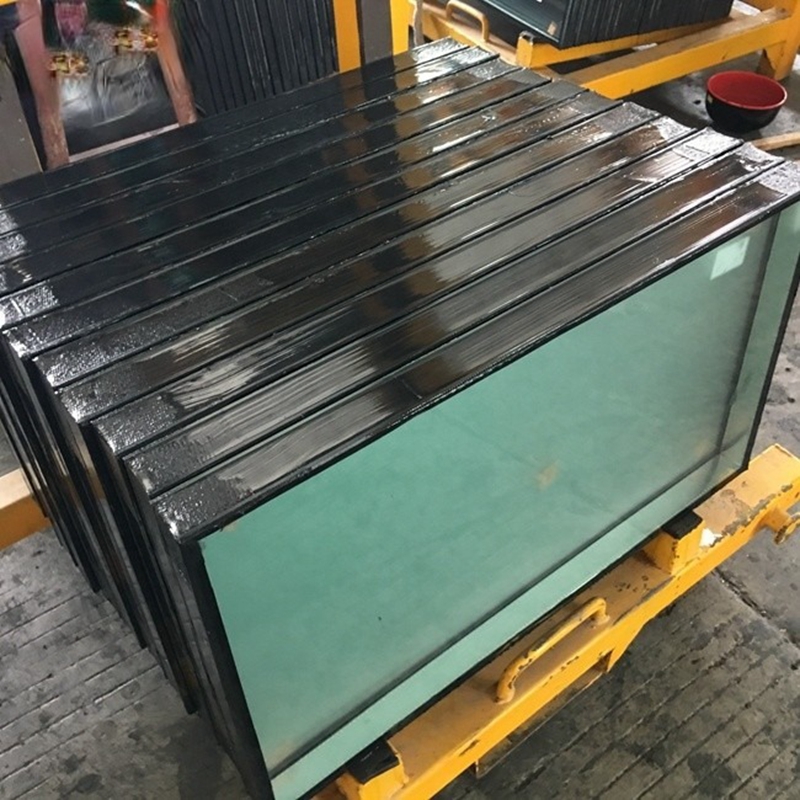
Advantages of Triple Silver Low-E Insulated Glass 1.Superior Energy Efficiency Triple Silver Low-E Insulated Glass blocks 95% of harmful UV rays and reduces heat transfer by up to 70%, keeping buildings cooler in summer and warmer in winter. Paired with insulated glass layers filled with argon gas, it slashes energy bills by 30% compared to standard single-pane glass. 2.Enhanced Safety & Durability Tempered glass adds unmatched strength—4x tougher than regular glass—while Triple Silver Low-E Insulated Glass resists scratches and corrosion. Even in extreme weather, its insulated glass core prevents condensation and maintains structural integrity. 3.Noise Reduction & Comfort The air gap in insulated glass cuts outside noise by 40 decibels, creating a quieter indoor space. Triple Silver Low-E Insulated Glass also balances light transmission (70%) with privacy protection, ideal for offices or homes. 4.Eco-Friendly & Cost-Effective By reducing HVAC usage, Triple Silver Low-E Insulated Glass lowers carbon footprints. Its tempered glass layers extend lifespan by 20+ years, saving replacement costs.
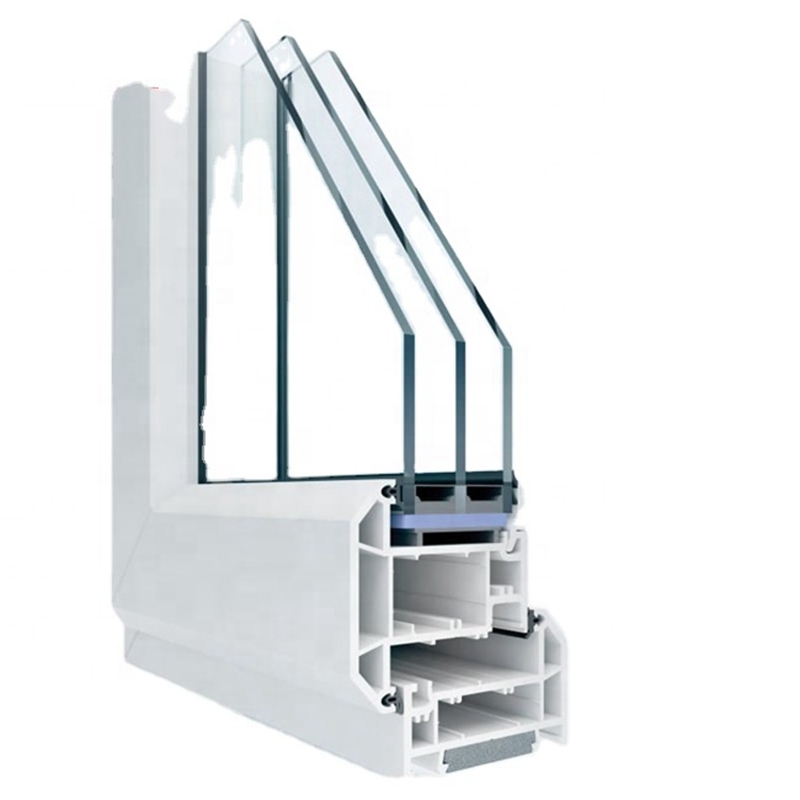
1. Durability & Strength Energy Efficient Glass combines double glazing insulated glass layers with reinforced frames, offering unmatched impact resistance. Its triple glazed IGU design adds extra protection against weather damage, ensuring long-term stability even in harsh climates. 2. Ultimate Comfort By trapping heat in winter and cool air in summer, Energy Efficient Glass maintains consistent indoor temperatures. The air gaps in double glazing insulated glass minimize temperature fluctuations, while triple glazed IGU enhances thermal comfort with superior insulation. 3. Enhanced Security Laminated double glazing insulated glass resists break-ins with shatterproof interlayers. Triple glazed IGU further boosts safety with thicker, reinforced glass layers, ideal for high-security buildings like banks or offices. 4. EEnergy Savings Energy Efficient Glass cuts HVAC costs by 30% through argon-filled double glazing insulated glass layers, reducing heat loss. Triple glazed IGU improves efficiency further by adding a third pane and edge-seal optimization. 5. Noise Reduction The air gap in double glazing insulated glass absorbs 40 decibels of traffic noise, while triple glazed IGU with wider gaps achieves 50dB+ sound insulation, creating quieter homes near airports or highways.
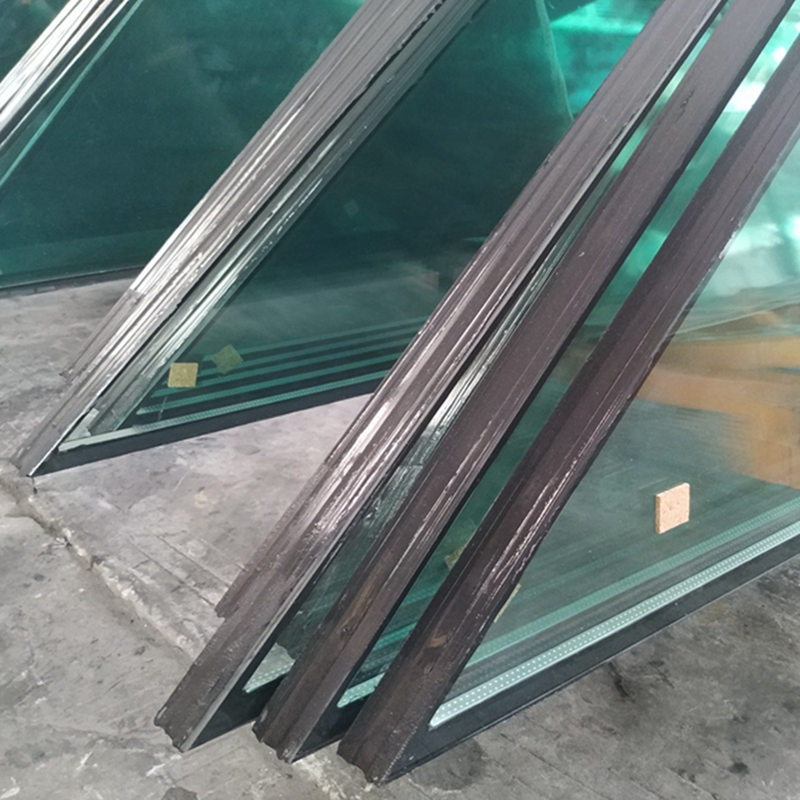
1.Easy Maintenance The smooth surface of tempered glass and laminated insulated glass roof panels resists dirt accumulation, requiring only simple wiping. Insulated safety glass maintains its clarity for years with minimal care. 2.Optical Performance Tempered glass offers 92% light transmittance, while laminated insulated glass roof systems enhance natural lighting without glare. Insulated safety glass provides crystal-clear views with reduced UV transmission. 3.Enhanced Safety When broken, tempered glass crumbles into harmless granules, and laminated insulated glass roof panels remain intact due to their PVB interlayer. Insulated safety glass combines these benefits for superior protection. 4.UV Protection Both tempered glass and laminated insulated glass roof solutions block 99% of harmful UV rays. Insulated safety glass further protects interior furnishings from fading. 5.Acoustic Performance The multilayer construction of laminated insulated glass roof reduces noise by 35-50dB. Insulated safety glass and tempered glass variants are available with additional soundproofing interlayers. 6.Thermal Efficiency Laminated insulated glass roof systems achieve U-values as low as 0.28 W/m²K. Insulated safety glass and tempered glass options significantly reduce energy costs. 7.Aesthetic Versatility Tempered glass can be curved or printed for custom designs. Laminated insulated glass roof and insulated safety glass are available in various tints and textures.
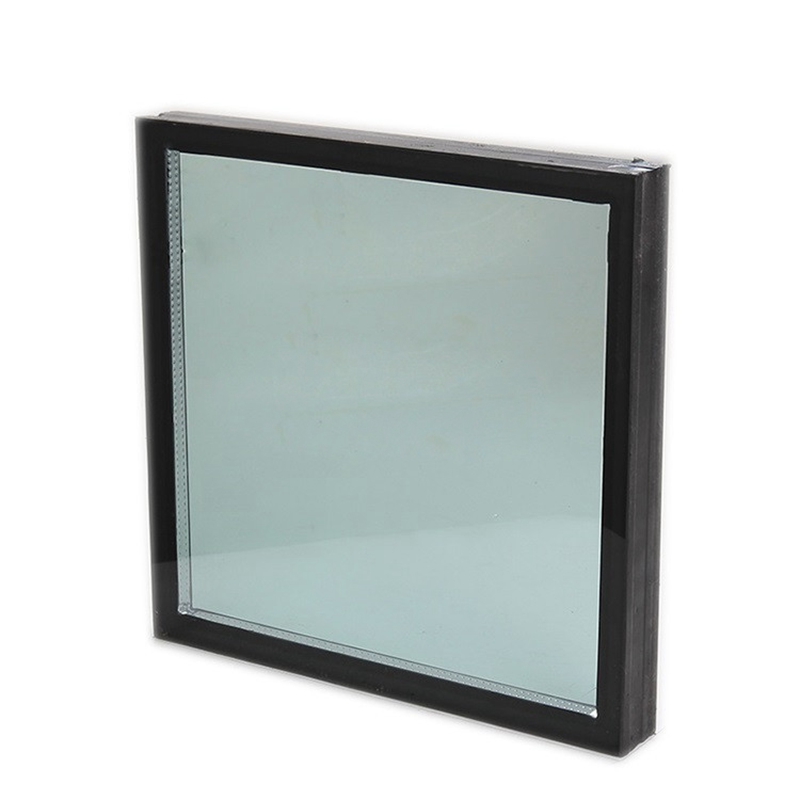
1.UV Protection Tempered glass with UV-blocking coatings blocks up to 99% of harmful ultraviolet rays, while laminated insulating glass wall integrates interlayers to reflect additional UV radiation. Together, they protect indoor furnishings and reduce fading by 80%. 2.Universal Applicability From skyscrapers to residential homes, laminated double glazing systems adapt to commercial, public, and residential spaces. Tempered glass variants enhance durability in high-traffic areas, while laminated insulating glass wall designs meet energy codes for all climates. 3.Enhanced Safety When broken, tempered glass crumbles into small, blunt pieces, and laminated insulating glass wall holds shards firmly within its interlayer. Laminated double glazing adds redundancy, reducing safety risks even in extreme impacts. 4.Advanced Sound Insulation Laminated double glazing with tempered glass outer layers reduces noise by 45dB, ideal for airports or offices. Laminated insulating glass wall further dampens sound with acoustic PVB interlayers, blocking traffic hum and chatter. 5.Superior Thermal Insulation Tempered glass with low-E coatings paired with laminated insulating glass wall cuts heat loss by 35%. Laminated double glazing traps argon gas between panes, improving energy efficiency by 25% in winter and cooling savings in summer.
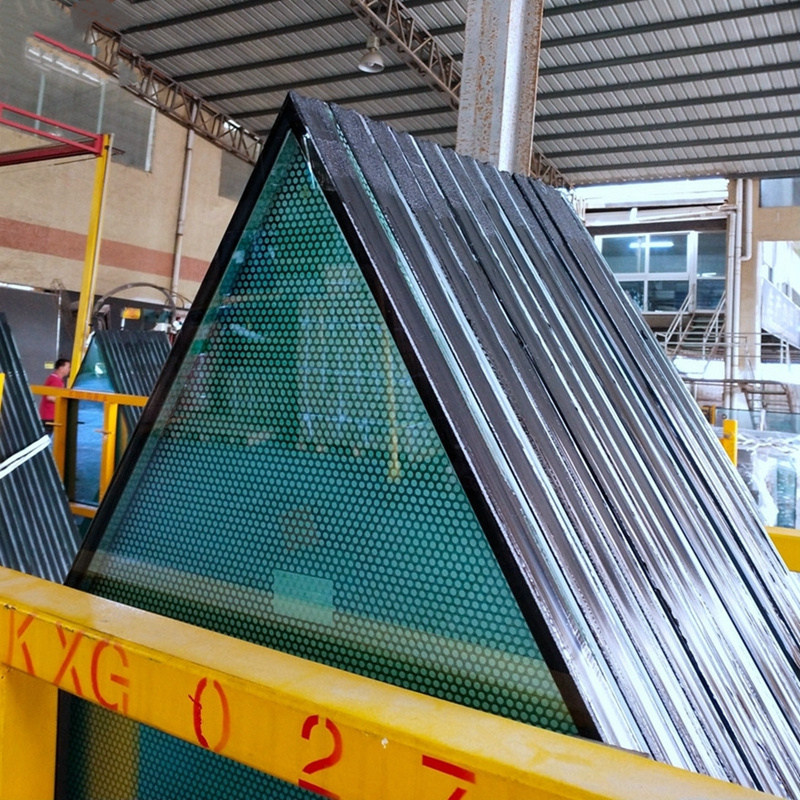
This insulated glass facade merges a double glazed glass facade design with soundproof glass facade technology. The insulated glass facade blocks 35dB noise, while the double glazed glass facade boosts energy efficiency. Ideal for cities, our soundproof glass facade ensures tranquility. Engineered for skyscrapers, the soundproof glass facade pairs a double glazed glass facade system with advanced seals. The insulated glass facade meets ASTM E413 standards, reducing urban clamor. Customizable soundproof glass facade panels adapt to any double glazed glass facade layout.
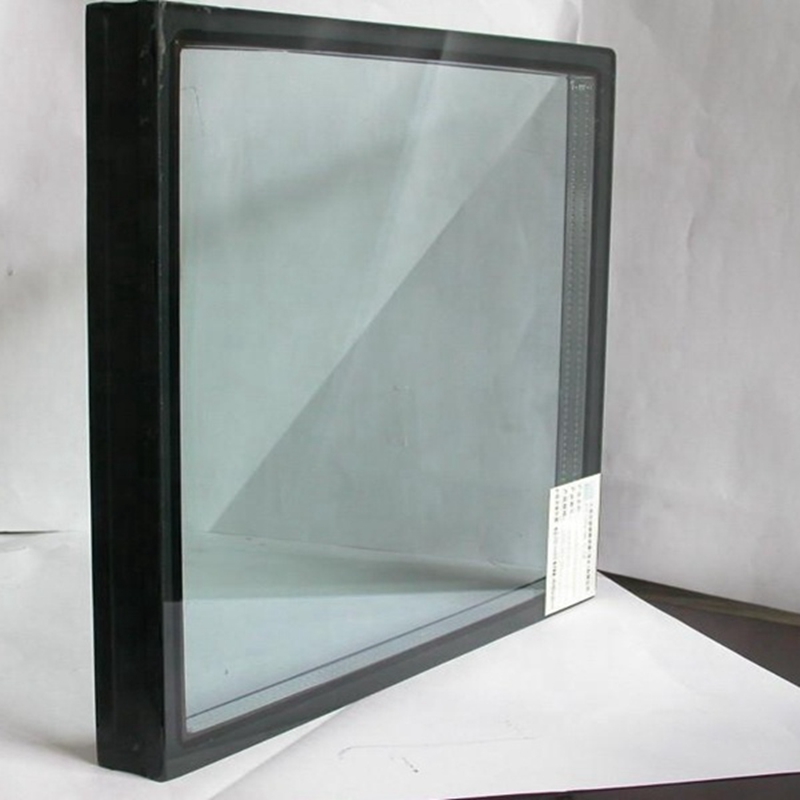
Advantages of Laminated Insulated Glass Anti-UV & High Security Laminated insulated glass blocks 99% of UV rays with high security glass interlayers, preventing fading. Paired with tempered glass, it withstands impacts up to 50 MPa (ASTM D790), ideal for banks or coastal areas. 50dB Soundproofing & Energy Efficiency Soundproof design with tempered glass outer layers and air gaps reduces noise by 50dB. High security glass interlayers enhance mass for industrial zones. Laminated insulated glass with argon gas cuts heat loss by 40%, achieving LEED energy credits. Customizable High Security Adjust high security glass thickness (6-25mm) and tempered glass coatings to client needs. Options include hurricane-rated designs or fire-rated layers for museums/hotels. Heatproof Durability Laminated insulated glass combines heatproof glass cores and tempered glass durability. Resists thermal stress (ΔT=120°C) and humidity, lasting 25+ years in extreme climates. Multi-Purpose Design High security glass ensures safety, while tempered glass adds scratch resistance. Laminated insulated glass adapts to offices, airports, or residential spaces with custom thicknesses (8-30mm).
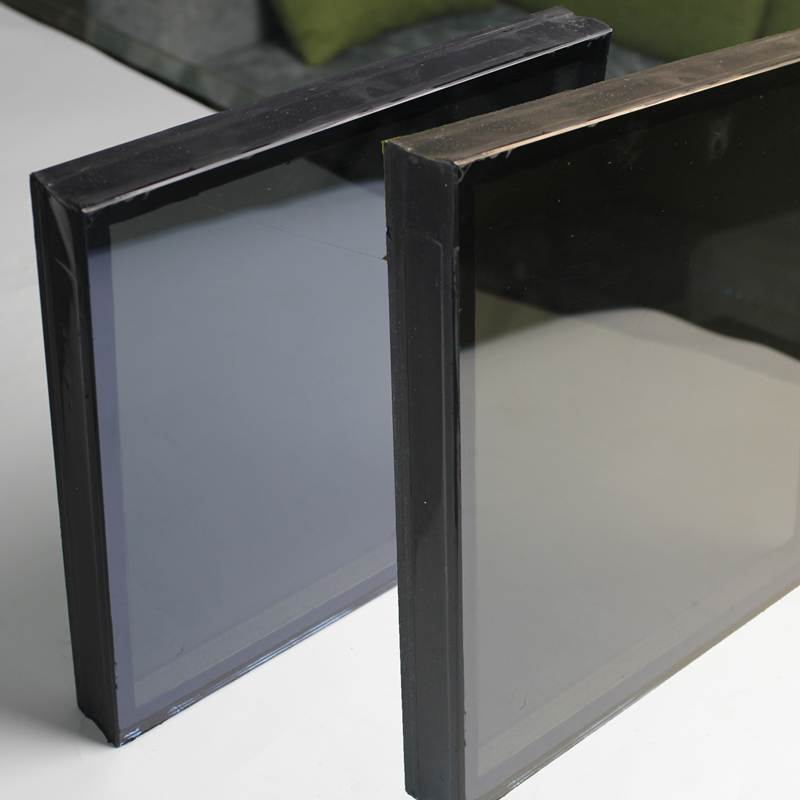
1.Enhanced Safety & Durability Laminated insulated glass integrates tempered glass layers with insulating glazing glass to withstand impacts up to 50 MPa (ASTM D790). If broken, tempered glass fragments adhere to the interlayer, preventing debris fall in high-rise building glass applications. 2.Superior Thermal Insulation The insulating glazing glass core with argon gas filling reduces heat transfer by 40%, achieving U-value ≤ 1.0 W/m²K. Combined with tempered glass low-E coatings, it reflects 70% of solar radiation, cutting HVAC energy costs by 25% annually. 3.Multi-Layer Soundproofing Building glass structural frames paired with insulating glazing glass air gaps block 50dB of noise (equivalent to a quiet office). Tempered glass outer layers add mass for industrial zones near highways or airports. 4.Customizable Architectural Solutions Supports building glass applications from curtain walls to skylights. Available in thicknesses from 12mm to 30mm, with options for fire-rated insulating glazing glass or anti-UV tempered glass coatings. 5.Weather Resistance & Longevity The insulating glazing glass spacer and tempered glass interlayer resist thermal stress and humidity, maintaining performance for over 25 years in extreme climates.